
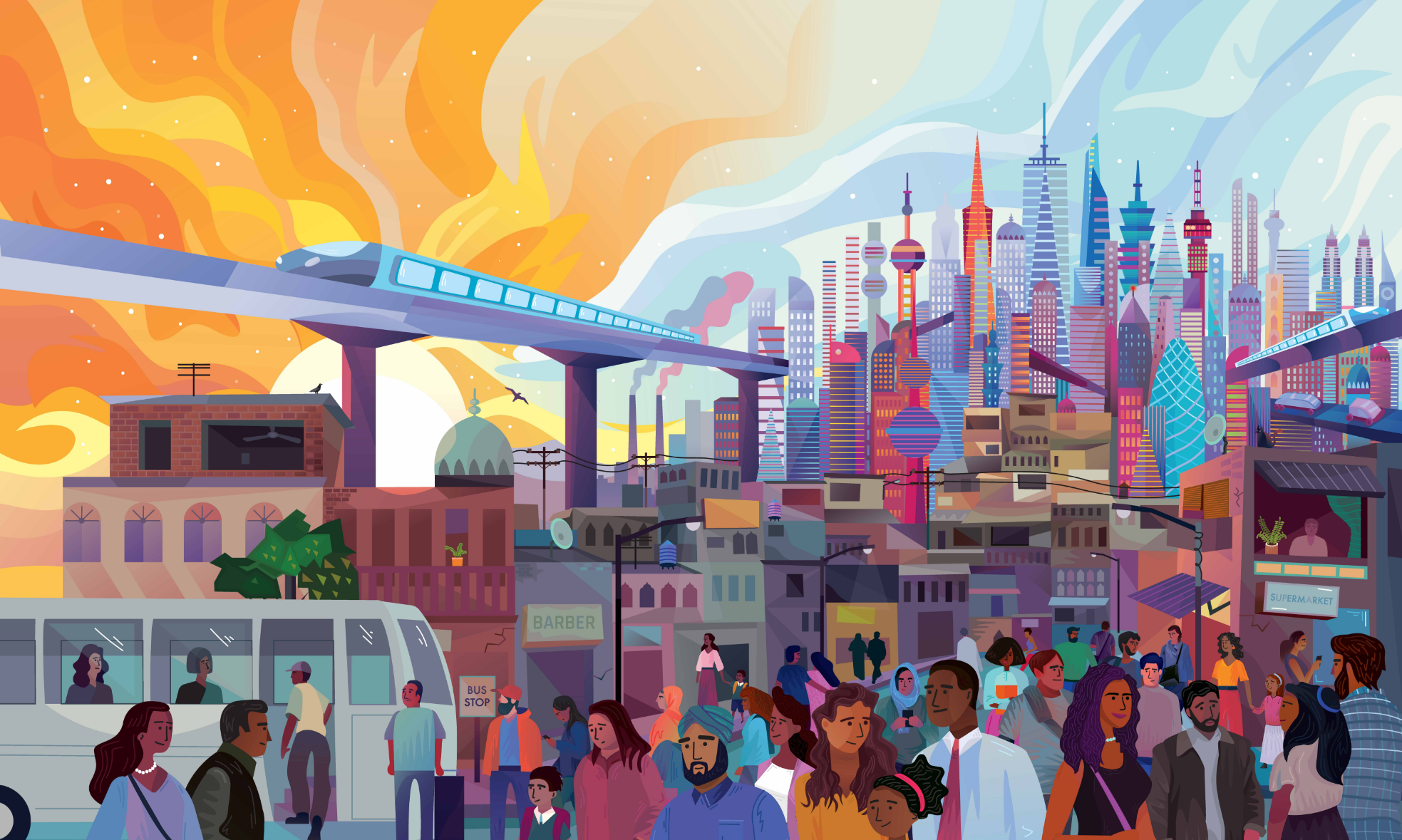
- The City Show launched in late 2021, right in the middle of the pandemic, as part of the Complexities project. It’s a podcast about how people are actually living and adapting in cities that are changing fast across Africa, Latin America, and Asia. The idea was to examine society and the built environment through a Global South lens—centring the people navigating rapid urban change rather than treating them as subjects in a case study.
- Each episode takes a story that might sound familiar on the surface and tests it against how people are actually living. Through conversations with residents, experts, and activists, the series unpicks simplified narratives and traces the structural forces that shape everyday life. The goal is clarity. A sharper understanding of what urban transformation actually means in practice, and what it’s signalling about what comes next.
- Season One—six episodes—was a collaboration between the Max Planck Institute, the African Centre for Cities, and Cityscapes Magazine. The Radio Workshop handled production, with Tau Tavengwa presenting alongside Dashen Moodley. Freddie Boswell produced Season Two, and Penny Dale came in for Season Three.
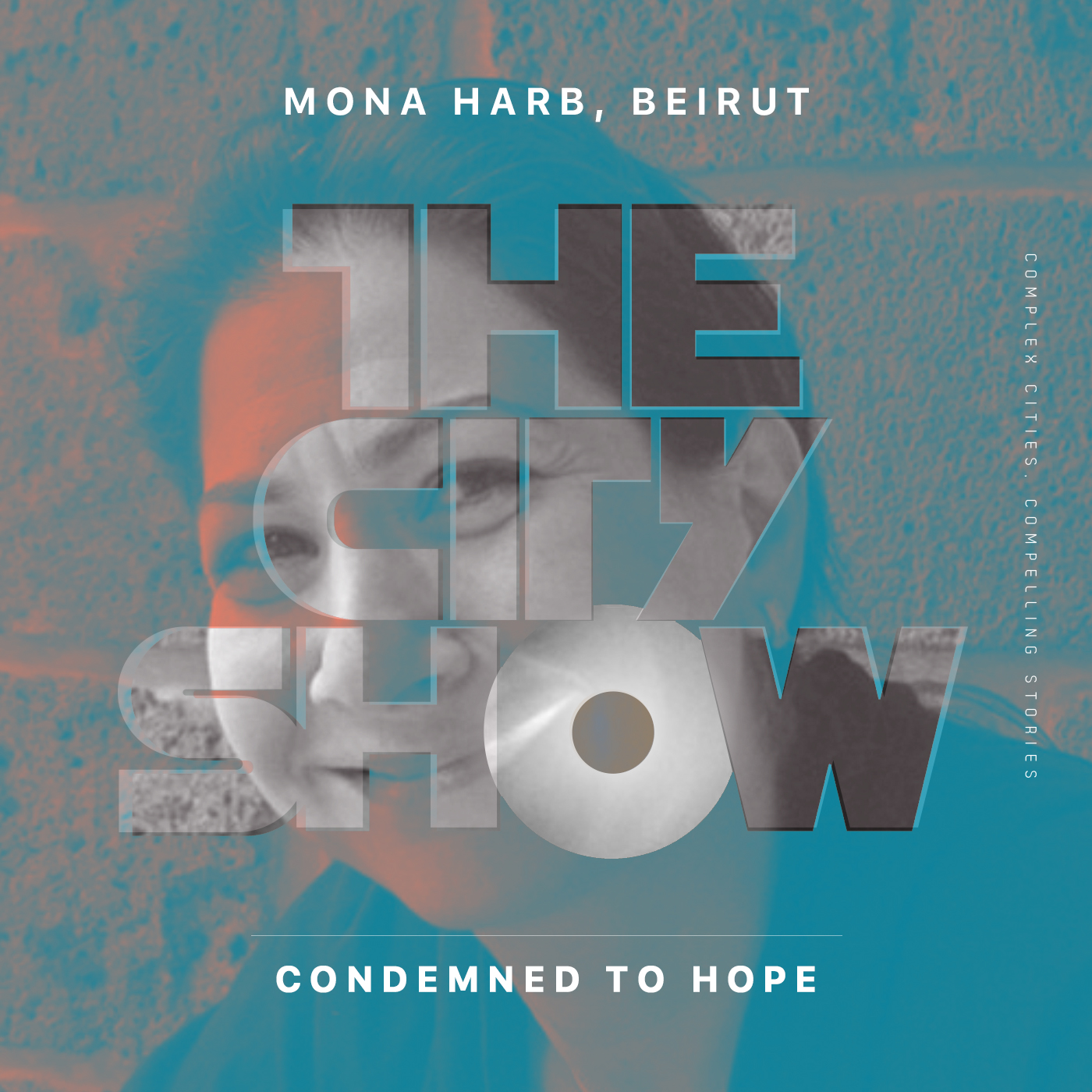

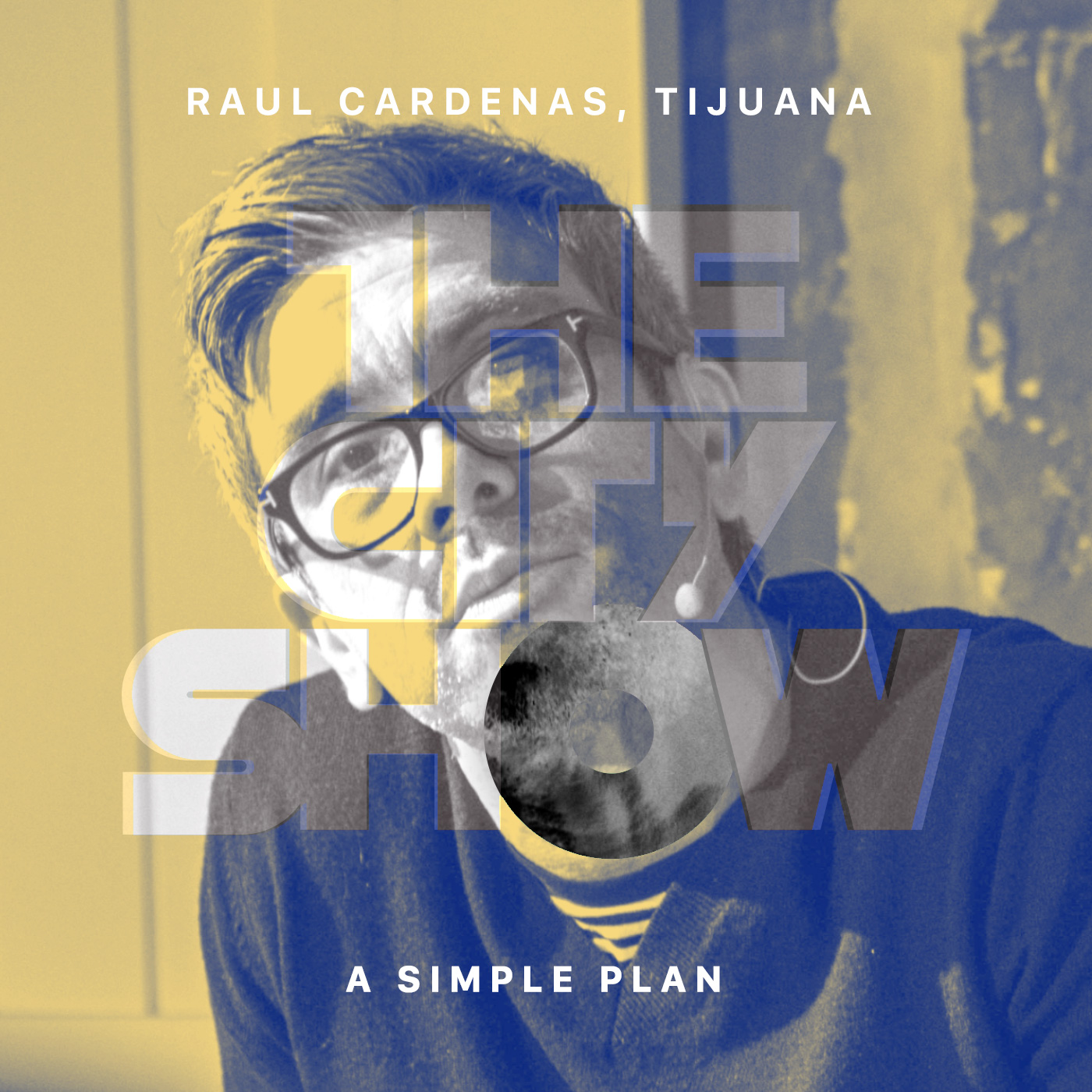

- Across its first three seasons, the podcast has reported from Tijuana to Mumbai, Lagos to, Medellín, Johannesburg to Riyadh, Nairobi to Beirut, Rio de Janeiro to Lusaka, and Accra, among others—cities under stress and the people organising, building, and improvising within them. We’ve spoken to market sellers and activists, community organisers and mayors, researchers and garbage collectors—tracing how decisions made in boardrooms thousands of miles away from where people actually live ripple out into everyday reality, how they get absorbed, resisted, reworked on the ground.
- We’re testing and refining how voice and audio work as tools for storytelling and research—not as decoration, but as a genuine method. Audio gets at nuance, texture, forms of knowledge that don’t always surface in written analysis.
- It’s become a recurring thread across what we do. We’ve been using the podcast format as a way to actually think through some of our projects. It’s opened up how sound, voice, and conversation can surface context, contradiction, and lived experience in ways that written reports often flatten or smooth over.
23rd Parallel
Alejandro Echeverri Restrepo
Benjamin de la Peña
Bright Simons
Catalina Ortiz
Dhashen Moodley
Edgar Pieterse
Freddie Boswell
Gathanga Ndungu
Geci Karuri-Sebina
George Azzi
George Kibala-Bauer
Julia Hope
May al-Ibrashy
Mildred Musonda Nkole
Mona Harb
Namatai Kwekweza
Nathema Jacobs
Nzinga Biegueng Mboup
Olamide Udoma-Ejoh
Pedro Henrique de Christo
Penny Dale
Raul Cardenas Osuna
Talib Ahmed Bensouda
The Radio Workshop
Vivian Nereim
Vyjyanthi Rao

