
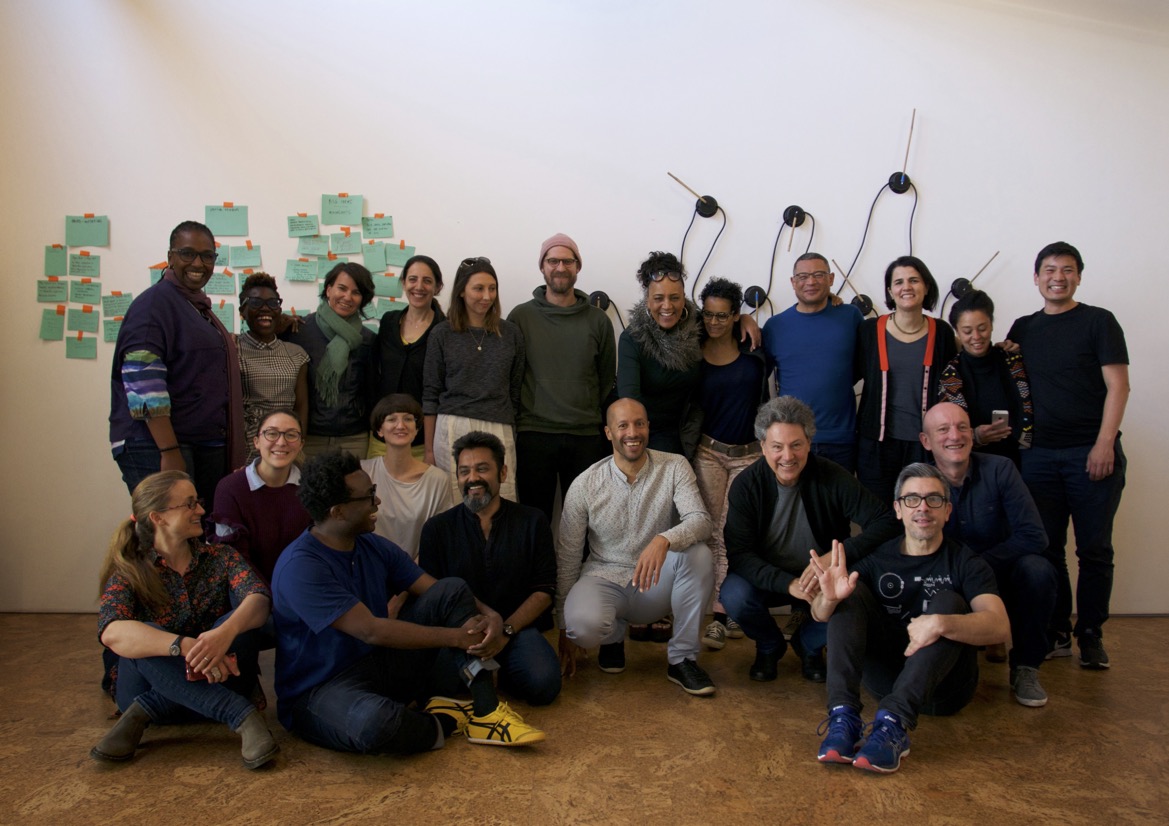
- CS Praxis emerged from a clear structural diagnosis: urban practitioners across Africa, Asia, and Latin America are confronting remarkably similar historical legacies and contemporary pressures, yet remain largely disconnected from one another. Despite working toward more equitable cities—doing the most difficult work—opportunities for sustained peer exchange across the Global South are limited. And recognition, when it comes, often still flows through Western institutional gatekeepers.
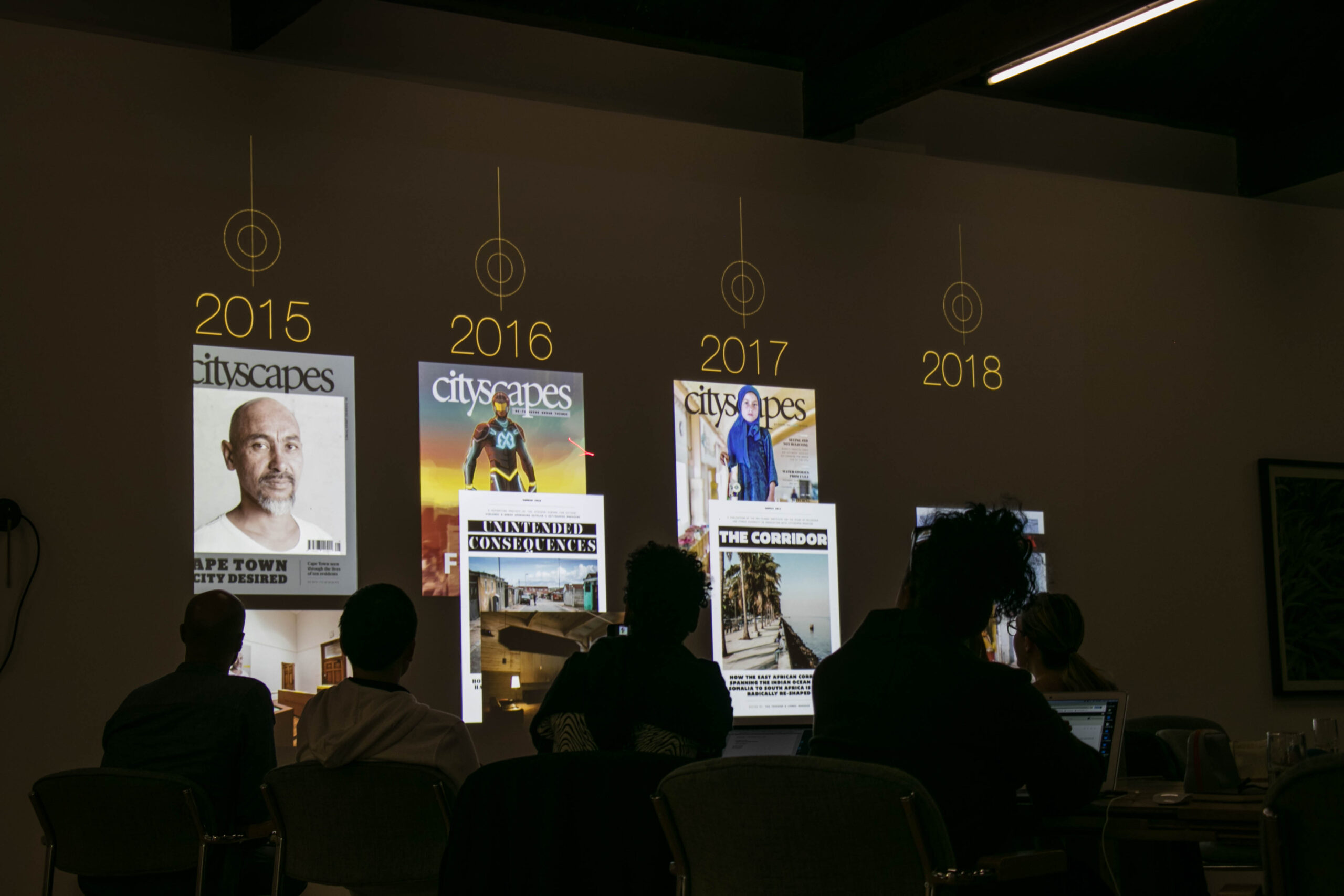
- The platform was conceived as corrective infrastructure. Building on the loose but genuinely extensive network formed through Cityscapes, CS Praxis proposed a curated, multidisciplinary community of Southern-based practitioners—architects, planners, activists, researchers, cultural producers—organised around key areas of practice and supported by both digital and analogue exchange.
- Membership would be vetted, time-bound, and structured to encourage real peer learning, matchmaking, and collaboration across the network.
- A biennial gathering would serve as the physical anchor for all of this, bringing the network together in person. It would be complemented by ongoing exchanges throughout the year and potential travelling exhibitions under the banner of “Southern Urbanisms”—work that moves, that travels, that doesn’t sit still in one institution.
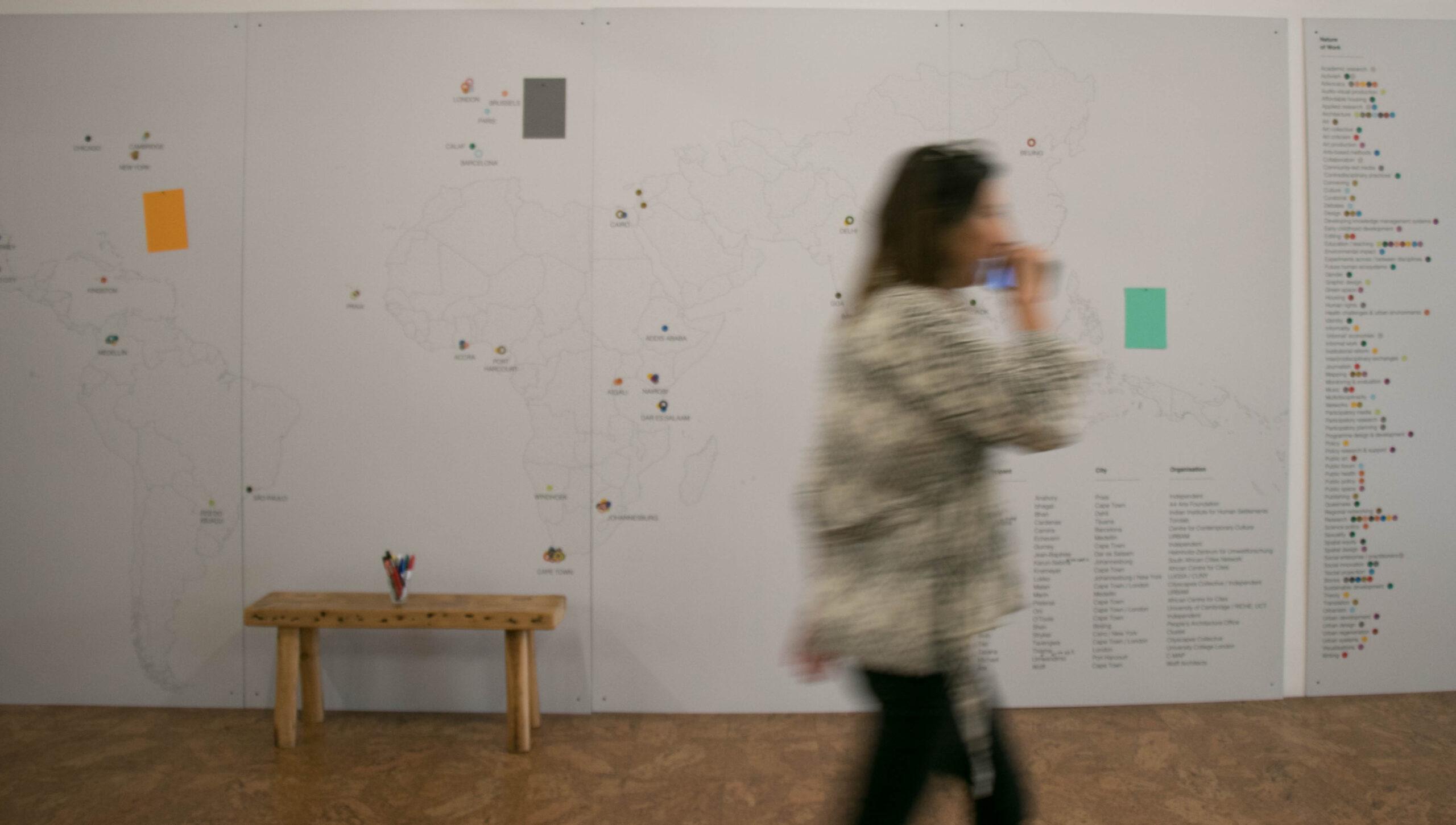
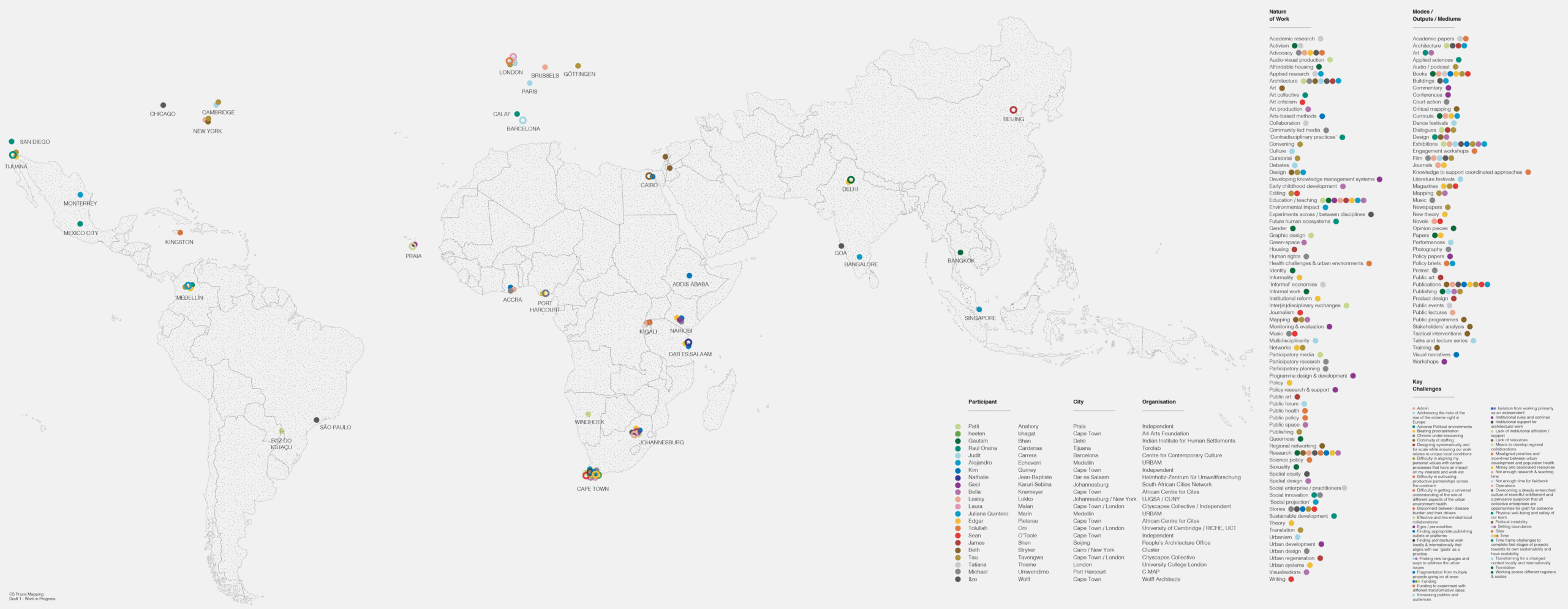
- Ahead of the first gathering, participants were asked to respond to a structured set of questions designed to map the landscape of their work. The survey focused on six areas: the nature of their practice; their primary goals; the three biggest challenges they face; key local partnerships; continental collaborations; and cross-regional relationships within the Global South. The intent was entirely practical. The responses informed a mapping exercise that enabled us, as conveners, to identify overlaps, gaps, shared constraints, and latent opportunities for collaboration within the group. What the survey actually did was diagnose fragmentation and test something vital: whether a Southern-led network could meaningfully strengthen peer-to-peer circulation of knowledge, resources, and strategy. Could practitioners support each other? Could the network work?

- The initiative did not consolidate into a formal, lasting structure. But it was not a failure.
- The conversations shaped how we approached subsequent projects. The lessons recalibrated our methods. Just as importantly, it forged relationships across participants that have endured well beyond the life of the initiative itself. Several collaborations emerged independently, without mediation or orchestration by CS Praxis.
- In effect, a looser, informal version of what we had imagined took root. It did so without branding, governance, or institutional scaffolding — on its own terms.
- From the first gathering, we confronted a simple truth. People working on the ground, tackling difficult issues, do not need another well-meaning forum. They need resources.
- Convenings can feel good. They create moments of solidarity, brief relief from difficult conditions, and the sense of being part of something larger. But for practitioners operating under pressure — in municipalities, movements, studios, community organisations — time is scarce. If a gathering does not materially strengthen their capacity to act, it becomes another demand on already thin resources.
- What actually proves useful are practical instruments—tools, frameworks, strategies—that bring practitioners closer to the objectives they’ve set with their communities. Connection matters, certainly. But without tangible resources that genuinely improve strategy, delivery, and impact on the ground, connection alone isn’t nearly enough. Good intentions don’t change what’s possible. Resources do.
- The fundamental takeaway from CS Praxis was that durable exchange requires more than gatherings; it requires shared instruments that travel independently of conveners.
Patti Anahory
Gautam Bhan
Judit Carrera
Alejandro Echeverri
Josh Ginsburg
Geci Karuri-Sebina
Nathalie Jean-Baptiste
Lesley Lokko
Juliana Quintero Marin
Tolullah Oni
Raul Orsina Cardenas
James Shen
Beth Stryker
Tatiana Thieme
Michael Uwemedimo
Ilze Wolff

